


Trichoderma asperellum is a fast-establishing, root-colonizing beneficial fungus used as a soil inoculant and plant biostimulant in modern agricultural systems. It attaches efficiently to plant roots, supports early vigor and nutrient uptake, and helps crops maintain performance under drought, heat, and other abiotic stress. Trusted in organic-compatible and conventional programs, this high-CFU fungal biostimulant strengthens rhizosphere function and improves overall soil biology in the root zone. It is widely used across tomatoes, peppers, cucurbits, strawberries, and leafy greens where consistent root establishment and stress tolerance drive yield.
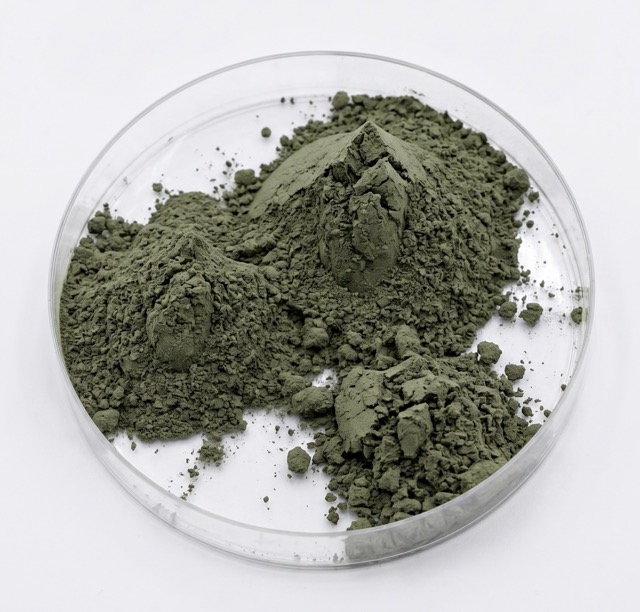
Trichoderma asperellum produces a distinctive class of hydrophobin proteins (notably TasHyd1) that drive strong hyphal attachment to plant root surfaces. Peer-reviewed research has shown this mechanism is specific to T. asperellum and enables faster, more persistent rhizosphere establishment than many other Trichoderma species.
Published studies demonstrate that T. asperellum helps plants tolerate drought, heat, cold, and salinity. For growers facing increasingly variable conditions, that means steadier crop performance season to season.
T. asperellum secretes small cysteine-rich elicitor proteins (including Sm1/Epl1 from the cerato-platanin family) and volatile organic compounds that activate the plant's own jasmonic acid and ethylene signaling pathways, contributing to Induced Systemic Resistance (ISR).
Functions as an active biofertilizer that improves the plant's ability to access nutrients already present in the soil.
Establishes in the root zone as a dominant, cooperative fungal presence that supports a diverse, functional soil microbiome.
Suited to biology-first farming programs and naturally occurring in healthy agricultural soils.
Buyers often ask whether T. asperellum is a substitute for T. harzianum. In practice, they are complementary, not competing, and the strongest programs use both.
T. asperellum stands out for its specialized root-attachment biology. Research has identified the TasHyd1 hydrophobin gene as responsible for its distinctive ability to bind to plant root surfaces, and published field surveys show it colonizes rhizospheres at higher frequencies than many related species. It also has strong documented performance in crops facing drought, heat, and cold stress, making it a natural fit for variable-climate agriculture.
T. harzianum is the older, more familiar workhorse. It has a long track record in organic and conventional programs, broad soil structure and organic matter benefits, and is usually the first Trichoderma species a new biological program adopts.
Used together, the two species deliver broader soil enzyme activity, more complete rhizosphere coverage, and more consistent stress response than either one alone. Distributors and formulators building differentiated biological programs increasingly specify both species in the same SKU or as a paired protocol. Applied Biotech Industries manufactures both strains at commercial scale.
Looking to buy high-CFU Trichoderma asperellum? Our single-species fungal soil inoculant is a reliable biofertilizer used for root colonization, plant vigor, and rhizosphere resilience. Applied Biotech Industries is a U.S. manufacturer of premium microbial inoculants and agricultural fungi, offering Trichoderma asperellum in bulk, wholesale, and private-label formats for formulators, distributors, retailers, and large growers. Contact us today to buy microbial inoculants online and partner with a U.S. producer focused on quality and consistency across bulk ingredient supply, custom blends, and private-label biofertilizer programs.
Concentration (CFU/g):
Particle Size (Mesh):
Packaging Options:
Shelf Life:
Storage Recommendations:
Dosage:
Frequency:
Application Method:
Dosage:
Frequency:
Application Method:
When tank-mixing with fertilizers:
Dosage:
Frequency:
Application Method:
Dosage:
Frequency:
Application Method:
Dosage:
Frequency:
Application Method:
A: Trichoderma asperellum is a beneficial filamentous fungus widely used as a soil inoculant and plant biostimulant. It establishes in the rhizosphere, supports root development, and strengthens plant resilience under abiotic stress through documented biochemical and physiological mechanisms, including specialized root attachment, phytohormone production, nutrient solubilization, and activation of the plant's own defense signaling pathways.
A: T. asperellum is a naturally occurring, non-GMO organism widely used in organic and regenerative agriculture. Our product is not currently OMRI Listed. Please verify compatibility with your specific organic certifier before use in certified programs.
A: Both are beneficial soil fungi used in biological farming. T. asperellum is noted in research for its specialized root-attachment biology (TasHyd1 hydrophobin) and strong performance under abiotic stress. T. harzianum is the longer-established generalist for soil structure and organic matter benefits. Many programs use both species together for broader rhizosphere coverage and more consistent results.
A: T. asperellum acts through four primary mechanisms: specialized root attachment via TasHyd1 hydrophobin proteins, production of natural phytohormones (including auxins) that stimulate root growth, solubilization of phosphorus, iron, and other mineral nutrients from bound forms, and secretion of elicitor proteins (Sm1/Epl1) and volatile organic compounds that activate the plant's own jasmonic acid and ethylene defense signaling pathways (Induced Systemic Resistance).
A: T. asperellum performs strongly across a wide range of commercial crops. It is used with excellent results on tomatoes, peppers, cucurbits (cucumbers, squash, melons), strawberries, and leafy greens, as well as orchard systems, row crops, hydroponics, greenhouse production, nurseries, and turf. Its specialized root-colonization biology makes it especially well-suited to transplanted and seed-started crops.
A: No. Our Trichoderma asperellum is supplied as a plant biostimulant and soil inoculant for agricultural use, not as an EPA-registered fungicide or biopesticide. It supports plant resilience and rhizosphere health through natural biological mechanisms and is not marketed for pesticidal use. Buyers requiring an EPA-registered biopesticide should source a registered product for that purpose.
A: 15 billion (1.5 × 10¹⁰) CFU per gram dry powder. Custom concentrations are available on request for private-label and contract manufacturing partners.
A: When stored in a dry environment at room temperature, our Trichoderma asperellum remains viable for 6 months. Refrigerated storage extends shelf life to 12 months.
A: T. asperellum solubilizes phosphorus from bound forms, releases siderophores that improve iron availability, contributes to nitrogen mineralization through organic matter breakdown, and supports potassium mobilization through rhizosphere microbial activity. This improves overall nutrient use efficiency and fertilizer response in crops.
A: Yes. T. asperellum works synergistically with other beneficial microbes including mycorrhizal fungi, Bacillus species, and Pseudomonas fluorescens. Compatibility with chemical treatments should be tested prior to combined use. Do not tank-mix with fungicides, bactericides, herbicides, or other pesticides.
A: Yes. T. asperellum solubilizes phosphorus from bound mineral forms through organic acid secretion, making phosphate more available to plant roots. It also produces siderophores that improve iron availability and contributes to potassium and micronutrient mobilization in the rhizosphere, making it an effective multi-nutrient biofertilizer.
A: It can be applied via soil drench, fertigation, in-furrow at planting, seed treatment, foliar spray, or compost inoculation. Dosage and timing vary by application method and are detailed in the Application section above.
A: Yes, with standard fertilizers when diluted properly. Dilute the fertilizer fully in water first before adding the microbial product. Do not mix with herbicides, fungicides, bactericides, or other chemical pesticides.
A: Published research documents that T. asperellum improves plant performance under drought, heat, cold, and salinity stress through enhanced antioxidant enzyme activity, stomatal regulation, cell wall integrity, and activation of the plant's own defense signaling pathways via jasmonic acid and ethylene response.
A: Yes. T. asperellum is well documented in peer-reviewed research for supporting plant performance under drought conditions. It improves water use efficiency, supports antioxidant enzyme activity that protects plant cells under water stress, and enhances stomatal regulation for better gas exchange. Growers in variable-climate and water-limited regions increasingly use T. asperellum as part of a drought-resilience program.
A: Application rates depend on the method. For soil drench, fertigation, or drip irrigation, use 100 to 200 grams per acre. For in-furrow application at planting, use 25 to 50 grams per acre. For foliar spray, use 50 to 100 grams per acre. For seed treatment, use 3 to 5 grams per kilogram of seed. See the Application section above for full protocols.
A: Yes. Seed treatment is one of the most efficient application methods for T. asperellum because the fungus colonizes roots as they emerge, establishing early rhizosphere presence. Apply 3 to 5 grams of T. asperellum per kilogram of seed, mixed with a sticking agent such as gum arabic or a commercial seed-coat adhesive. Coat seeds evenly, dry in the shade, and sow as normal.
A: Yes. T. asperellum performs reliably in hydroponic, aeroponic, and greenhouse production systems, including for tomatoes, peppers, cucumbers, strawberries, and leafy greens. It colonizes root surfaces in soilless media, supports nutrient uptake efficiency, and helps maintain rhizosphere stability under the dense cropping and controlled conditions typical of greenhouse operations.
A: You can purchase Trichoderma asperellum directly from Applied Biotech Industries, a U.S.-based microbial inoculants manufacturer. We offer high-viability single-species T. asperellum in bulk, wholesale, and private-label formats, shipped from our Wisconsin fermentation facility.
A: We supply Trichoderma asperellum in dry powder form in 8 lb (3.5 kg) pails, 15 lb (7 kg) pails, and 121 lb (55 kg) drums. Smaller custom packaging is available on request.
A: Yes. We supply single-species T. asperellum as a pure ingredient for formulators, private-label brands, and contract manufacturing partners, with batch-level Certificate of Analysis available on request.
A: Applied Biotech Industries is a U.S. manufacturer of high-quality beneficial soil microbes, offering commercial-grade microbial inoculants backed by controlled fermentation, rigorous quality assurance, and technical support. Our products are used by farmers, formulators, distributors, and input retailers seeking consistent, research-backed fungi and bacteria for soil health and crop performance.
Still have questions about this strain? Our team can help with specs, availability, and pricing.
Key Findings:
Key Findings:
Key Findings:
Key Findings:
Key Findings:
Key Findings:
Key Findings:
Applied Biotech Industries 520 Progress Drive Belgium, WI 53004
info@abimicrobes.com
(262) 285-4390
© 2026 Applied Biotech Industries | All Rights Reserved.


