


Streptomyces rochei is a professional-grade microbial inoculant formulated to support soil health, rhizosphere balance, and resilient crop performance. This naturally occurring actinomycete functions as a soil probiotic and beneficial soil bacterium. It rapidly colonizes the root zone, producing beneficial metabolites and shaping microbial communities in ways that favor plant health and root integrity. Through sustained rhizosphere activity and biological competition, this microbial soil inoculant helps create soil conditions that are unfavorable for undesirable organisms while supporting productive, biologically active soils.
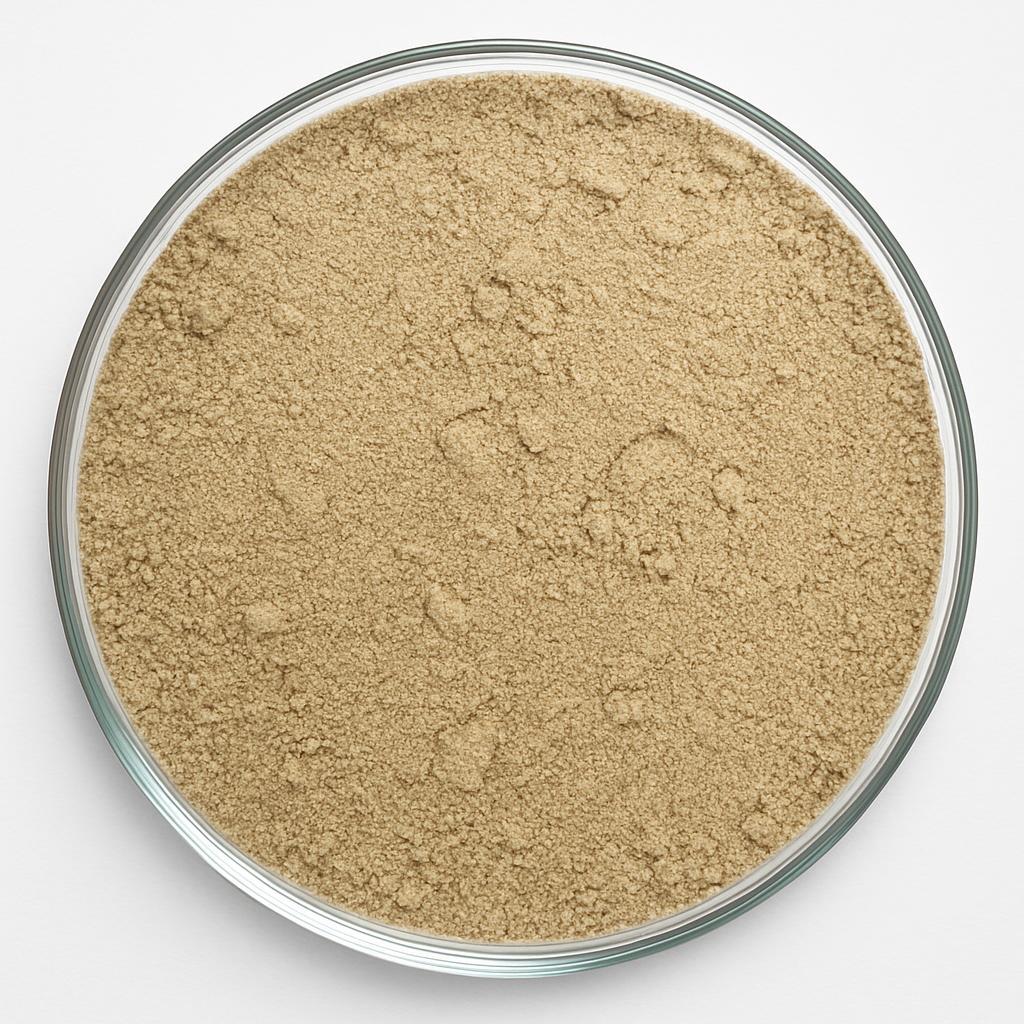
Streptomyces rochei functions as a biological rhizosphere conditioner by quickly colonizing the root zone and shaping microbial communities through sustained biological activity.
As a filamentous actinomycete, Streptomyces rochei grows along root surfaces and soil particles, contributing to consistent root-zone function under challenging field conditions.
Streptomyces rochei acts as a soil probiotic by promoting beneficial microbial dominance and long-term biological stability.
Through indirect growth-promotion mechanisms, Streptomyces rochei supports early establishment and sustained crop performance.
This actinomycete produces extracellular enzymes that assist in residue breakdown and organic matter transformation.
The filamentous growth habit of Streptomyces rochei contributes to improved soil physical characteristics.
As a naturally occurring soil bacterium, Streptomyces rochei integrates easily into sustainable soil health programs.
Looking to buy Streptomyces rochei soil probiotic bacteria? Applied Biotech Industries manufactures Streptomyces actinomycetes and other beneficial soil bacteria in bulk, wholesale, and private-label formats. Our high-CFU microbial soil inoculants and probiotics support soil health, rhizosphere balance, and root-zone performance. Whether you’re searching for Streptomyces rochei for sale or other soil probiotics and beneficial soil bacteria, ABI provides reliable sourcing for farms, ag retailers, and distributors seeking wholesale agricultural microbes.
Note: This product supports soil and rhizosphere health through biological processes and microbial ecology and is not intended to diagnose, treat, cure, or prevent plant diseases or pests.
Concentration (CFU/g):
Particle Size (Mesh):
Packaging Options:
Shelf-life:
Storage Recommendations:
Dosage:
Frequency:
Application Method:
Dosage:
Frequency:
Application Method:
When tank-mixing with fertilizers:
Dosage:
Frequency:
Application Method:
Dosage:
Frequency:
Application Method:
A: Streptomyces rochei is a naturally occurring, filamentous soil bacterium belonging to the actinomycetes. It is used in agriculture as a soil probiotic and microbial inoculant to support rhizosphere balance, soil health, and root-zone resilience. By colonizing the root zone and influencing microbial interactions, it helps create biologically active soils that favor plant health and consistent crop performance.
A: Yes. Streptomyces rochei is widely regarded as a beneficial soil bacterium due to its ability to colonize the rhizosphere, produce biologically active metabolites, and support balanced microbial communities in agricultural soils.
A: Yes. Streptomyces rochei is an actinomycete, a group of soil bacteria known for filamentous growth, metabolite production, and organic matter transformation. Actinomycetes play a key role in soil structure, nutrient cycling, and microbial ecology.
A: Key benefits include improved rhizosphere conditioning, enhanced soil microbial balance, support for root integrity, organic matter decomposition, and sustained soil biological activity. It is commonly used in biologically managed systems to promote resilient root environments and long-term soil productivity.
A: Streptomyces rochei is a naturally occurring soil microorganism and is compatible with organic and regenerative farming practices when positioned as a soil health and microbial conditioning input. Always confirm formulation-specific approvals with your organic certifier.
A: Streptomyces rochei functions through rhizosphere colonization and biological competition. Its filamentous growth allows it to occupy root-associated soil niches, influence microbial community structure, and contribute to soil environments that favor beneficial organisms over opportunistic microbes.
A: Yes. Streptomyces rochei produces a range of extracellular enzymes and secondary metabolites that contribute to organic matter breakdown, nutrient recycling, and microbial interactions within the soil ecosystem.
A: Streptomyces rochei is most effective when used preventively or as part of an ongoing soil health program. Establishing beneficial microbial populations early helps support balanced rhizosphere conditions over time rather than reacting after soil biology is already compromised.
A: Generally yes. It is compatible with many beneficial bacteria, fungi, and mycorrhizal organisms commonly used in soil health programs. It is commonly used alongside Bacillus species, Trichoderma fungi, and arbuscular mycorrhizal fungi. Avoid tank mixing with fungicides, bactericides, strong oxidizers, or disinfectants unless compatibility has been verified.
A: Streptomyces rochei performs best in moderate soil temperatures where microbial activity is naturally higher. Extremely cold or excessively hot soils may slow initial establishment, which is why applications are typically timed around active root growth periods.
A: Streptomyces rochei is adaptable across a wide range of soil pH conditions, although neutral to slightly alkaline soils often support optimal actinomycete activity. Proper soil moisture and organic matter also influence performance.
A: Streptomyces rochei performs well across a wide range of crops, including row crops, vegetables, orchards, vineyards, and turf. It is particularly beneficial in soils with low biological activity, high residue loads, or a history of root-zone stress.
A: It can be applied via soil drench, drip irrigation, fertigation, in-furrow placement, seed treatment, or incorporation into composts and organic amendments. Applications that place the product close to the root zone provide the most consistent results.
A: Application frequency depends on soil conditions and program goals. For soil probiotic maintenance, applications every 3–4 weeks are common. For rhizosphere conditioning in biologically stressed soils, more frequent applications during early growth stages may be used.
A: The best time to apply Streptomyces rochei is during early root establishment, transplanting, or periods of active root growth. Applications made when roots are actively expanding allow the bacterium to colonize the rhizosphere more effectively and provide more consistent soil conditioning benefits.
A: ABI offers Streptomyces rochei in a high-CFU dry powder formulation containing 100 billion CFU per gram, suitable for commercial agricultural use.
A: Streptomyces rochei is available in bulk, wholesale, and private-label formats, including pails and drums, to support distributors, ag retailers, and professional growers.
A: Streptomyces rochei is available directly from Applied Biotech Industries, a U.S.-based manufacturer of high-CFU microbial inoculants and soil probiotics for agriculture. Contact us for pricing, bulk orders, or private-label opportunities.
A: ABI specializes in fermentation-based production of beneficial soil microbes with consistent quality, high CFU counts, and strong shelf stability. We support organic and regenerative programs, custom blends, and wholesale distribution for domestic and international markets.
Still have questions about this strain? Our team can help with specs, availability, and pricing.
Key Findings:
Key Findings:
Key Findings:
Key Findings:
Key Findings:
Key Findings:
Applied Biotech Industries 520 Progress Drive Belgium, WI 53004
info@abimicrobes.com
(262) 285-4390
© 2026 Applied Biotech Industries | All Rights Reserved.


